
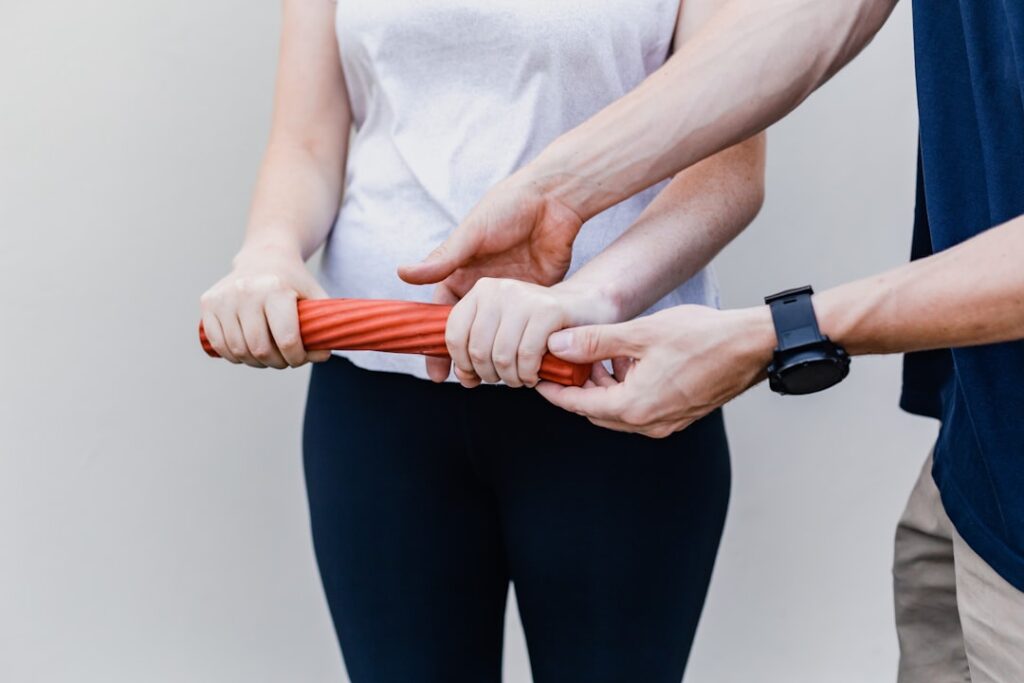
Living in Islip, NY, offers a unique blend of coastal relaxation and active suburban life. Whether you’re bicycling on the paved Greenbelt Trail, tending to your boat, or simply juggling a busy family schedule, daily activities can impact your spinal health. One subtle but significant threat to your well-being is nerve compression—a problem that can sneak up and cause chronic discomfort or even disability if not addressed early. Understanding the early warning signs of nerve compression is crucial so you can take steps to get the right care and maintain your active Islip lifestyle.
What is Nerve Compression?
Nerve compression, sometimes referred to as a pinched nerve, occurs when mechanical pressure is placed on a nerve by surrounding tissues such as bones, cartilage, muscles, or tendons. The most common locations are the neck (cervical spine), lower back (lumbar spine), and wrists, but nerve compression can occur anywhere nerves travel through tight spaces.
Why Is Nerve Compression Common in Islip?
Residents of Islip, NY, often enjoy outdoor activities, participate in sports leagues, or work in jobs that require physical labor or repetitive motions. These activities, while enjoyable and healthy, can sometimes contribute to wear and tear on the spine and extremities. For example:
- Landscaping, gardening, and yardwork are popular here but often put repetitive strain on the back and hands.
- Fishing or boating on the Great South Bay can involve awkward lifting and twisting movements.
- Commuting to NYC or nearby towns may mean long periods of sitting, which can affect spinal alignment and nerve pathways.
Being aware of the risk factors relevant to your lifestyle helps identify nerve compression early.
Early Warning Signs of Nerve Compression
Ignoring the subtle signs of nerve compression can worsen the problem. Here are the key symptoms to watch for, especially if they persist or worsen over time:
1. Tingling or “Pins and Needles” Sensations
One of the earliest and most common signs is a tingling feeling—often described as “pins and needles”—in the arms, legs, hands, or feet. This typically indicates that a nerve is being mildly compressed, restricting normal sensation.
2. Numbness in Limbs or Fingers
Numbness, especially if linked to certain positions (like sitting in a boat or bending over your garden), can signal a nerve compression issue. Pay attention if it lasts more than a few minutes or starts occurring more frequently.
3. Unexplained Weakness
If you notice your grip strength weakening—perhaps you’re struggling to hold onto fishing gear or have trouble opening jars—this is a potential red flag. Muscle weakness can develop when nerves that control those muscles are compressed.
4. Persistent Aching or Localized Pain
A dull, aching pain in the neck, shoulders, arms, or lower back is a hallmark of nerve compression. The pain may radiate—meaning, you could feel it along the path the nerve travels, such as from your neck into your arm or down your leg.
5. Reduced Coordination or Fine Motor Skills
If you find yourself dropping objects more often, having trouble typing, or clipping your nails, it could be due to compressed nerves affecting motor control.
6. Burning Sensation
A burning pain or unusual warmth, especially when combined with numbness or tingling, may be due to nerve irritation or damage. It’s not just uncomfortable—it’s a sign that nerve compression is progressing.
When Should Islip Residents Seek Professional Help?
In Islip, people are known for toughing things out, but when it comes to nerve compression, prompt attention is key:
- If symptoms persist for more than a few days
- If pain wakes you up at night or interferes with daily activities
- If you notice weakness, balance problems, or loss of bladder/bowel control (seek emergency care if these last symptoms develop)

A local chiropractor or medical provider can perform an evaluation and recommend diagnostic imaging if needed. Early intervention can prevent permanent nerve damage and help you return to your seaside walks, tennis matches, or neighborhood gatherings without discomfort.
Lifestyle Tips to Reduce the Risk of Nerve Compression
Prevention is always better than treatment. For Islip locals, these daily practices can reduce your risk:
- Prioritize Ergonomics: Adjust your workstation, car seat, or home environment to support healthy posture.
- Take Breaks Frequently: When fishing, gardening, or working on a computer, stand up, stretch, and change positions every 30–60 minutes.
- Exercise Regularly: Core strengthening, gentle stretching, and low-impact exercises like walking on Robert Moses Beach help maintain spine and nerve health.
- Lift Properly: Whether it’s kayaks, coolers, or kids—bend at the knees, keep objects close to your body, and avoid twisting.
- Stay Hydrated and Eat Well: Good nutrition and hydration keep your discs and nerves healthier.
What Happens if Early Signs Are Ignored?
Ignoring symptoms can lead to chronic pain, decreased mobility, or even permanent nerve damage. Advanced nerve compression can require more intensive interventions, such as injections or even surgery. But early intervention—often through chiropractic care, physical therapy, or simple lifestyle modifications—can often reverse symptoms and restore normal function.
Final Thoughts
Nerve compression doesn’t have to be a fact of life for Islip residents. By learning the early warning signs and taking proactive steps, you can maintain your coastal lifestyle, stay involved with family and friends, and enjoy the natural beauty of our community pain-free. If you’re experiencing any of these symptoms, don’t hesitate to consult a local chiropractic professional for guidance tailored to your needs.
