
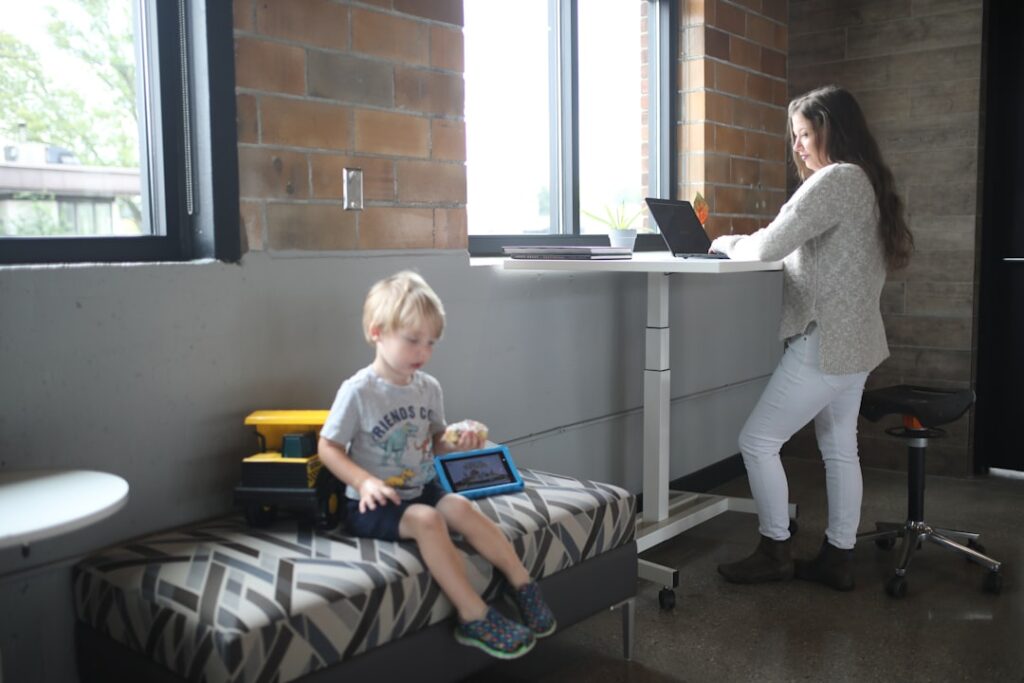
Islip, New York, with its beautiful parks, community-centered schools, and vibrant youth programs, is a fantastic place for students to grow and learn. However, like students everywhere, Islip’s children often face physical challenges from long hours of studying, digital device use, and time spent in stationary positions both in school and at home. As a chiropractor in Islip, I'm often asked how parents can help their kids maintain good posture, avoid pain, and protect their growing bodies. Here’s a local expert's guide to ergonomic tips every Islip family should know.
Why Ergonomics Matter for Islip Students
Children and teens are spending more time than ever sitting—whether that’s at Islip’s excellent libraries, during after-school programs, or at home doing homework or gaming. This increase in sedentary activity means their bodies are vulnerable to poor posture habits that can lead to:
- Back, neck, and shoulder pain
- Headaches and fatigue
- Reduced concentration
- Long-term spinal issues
By incorporating a few ergonomic strategies into daily life, concerned parents can help their students stay healthy, comfortable, and focused.
Optimal Desk and Chair Setup for Homework and Remote Learning
A common concern among Islip parents is, "What is the best desk setup for my child?" Investing in the right workspace is crucial, but you can make big improvements with small changes:
- Chair Height: Ensure your child sits with both feet flat on the floor (or on a footrest). Knees should be at a 90-degree angle.
- Desk Height: The desk surface should allow your child’s elbows to rest at a 90-degree angle without hunching the shoulders.
- Support: Choose a chair with lower back (lumbar) support, or use a small cushion.
- Monitor Position: If using a computer, the top of the screen should be at or just below eye level, an arm’s length away.
Islip’s local office supply stores often have affordable ergonomic solutions, and even an adjustable kitchen chair or box can help achieve a better fit!
Managing Backpack Weight in Islip Schools
Between books, laptops, and sports gear, Islip students often carry heavy backpacks. Overloaded or poorly worn backpacks can cause muscle strain or worsen posture. Follow these recommendations:
- Limit Weight: Backpacks should not exceed 10-15% of your child’s body weight.
- Wear Straps Correctly: Always use both shoulder straps, and ensure they are snug but not too tight.
- Pack Smart: Place heavier items closest to the back.
- Clean Out Weekly: Encourage a weekly review to remove unnecessary items.
Consider Islip’s favorable weather and encourage your child to bike or walk to school when possible, carrying lighter loads.
Encouraging Movement and Breaks
With so many after-school activities centered at Islip’s parks, fields, and community centers, it’s easy to encourage movement—but what about during study time? Sitting for long periods, even with good posture, can cause discomfort and decrease focus. Try these strategies:
- The 20-20-20 Rule: Every 20 minutes, have your child look at something 20 feet away for 20 seconds to reduce eye strain.
- Movement Breaks: Every 30-60 minutes, take a brief walk, stretch, or do a few jumping jacks.
- Active Study: Use standing desks, yoga balls, or pacing while memorizing facts or reading out loud.
Local programs like those offered at the Islip Recreation Center can provide valuable physical outlets for kids after long study sessions.
Ergonomics for Tech-Savvy Kids
Islip students, like many across the country, are using tablets, smartphones, and laptops more than ever. Improper use of technology can lead to "tech neck," carpal tunnel symptoms, and eye fatigue. Here’s how to keep screen time ergonomic:
- Tablet/Phone Position: Raise devices to eye level to avoid slouching. Use stands or prop devices on pillows.
- Keyboard and Mouse Position: Keep wrists straight and use a gentle touch. Consider external keyboards for tablets.
- Blue Light Protection: Use night mode, blue light filters, or computer glasses, especially during evening hours.

If your child attends virtual classes or tutors online (perhaps at a local Islip library branch), set up a dedicated, comfortable, and well-lit workspace.
Healthy Habits Beyond the Desk
Encourage an overall healthy lifestyle to complement good ergonomics:
- Physical Activity: Participate in one of Islip’s community sports leagues, swim at the YMCA, or simply enjoy the many walking and bike trails.
- Nutritious Diet: Provide brain- and bone-friendly foods like leafy greens, fish, nuts, and dairy.
- Adequate Sleep: School-aged children should aim for 9–11 hours of sleep nightly to support physical growth and postural health.
Recognizing Warning Signs
Look out for these signs that may indicate poor ergonomic habits or early musculoskeletal issues:
- Complaints of back, neck, or shoulder pain
- Frequent headaches
- Slouching or poor posture
- Numbness or tingling in arms or hands
If you notice these signs, consider consulting a qualified healthcare provider. Early intervention is key for growing bodies, and Islip is home to many local professionals ready to help.
Involving the Community
The Town of Islip offers many collaborative opportunities for families to promote healthy habits. From parent organizations at schools to wellness workshops at the library or YMCA, sharing ergonomic knowledge benefits the entire community. Consider starting a "healthy posture challenge" or inviting specialists to speak at your child’s school.
Final Thoughts
Ergonomic awareness is more than just about sitting correctly—it’s about supporting the healthy development of Islip’s future leaders. With small adjustments at home or in the classroom, students and parents can work together for better posture, less pain, and greater success.
For more personalized advice, consult with a local chiropractor or health expert. Let’s keep Islip’s kids standing tall and feeling their best—on the playground, in the classroom, and beyond!
