
What Is the Graston Technique?
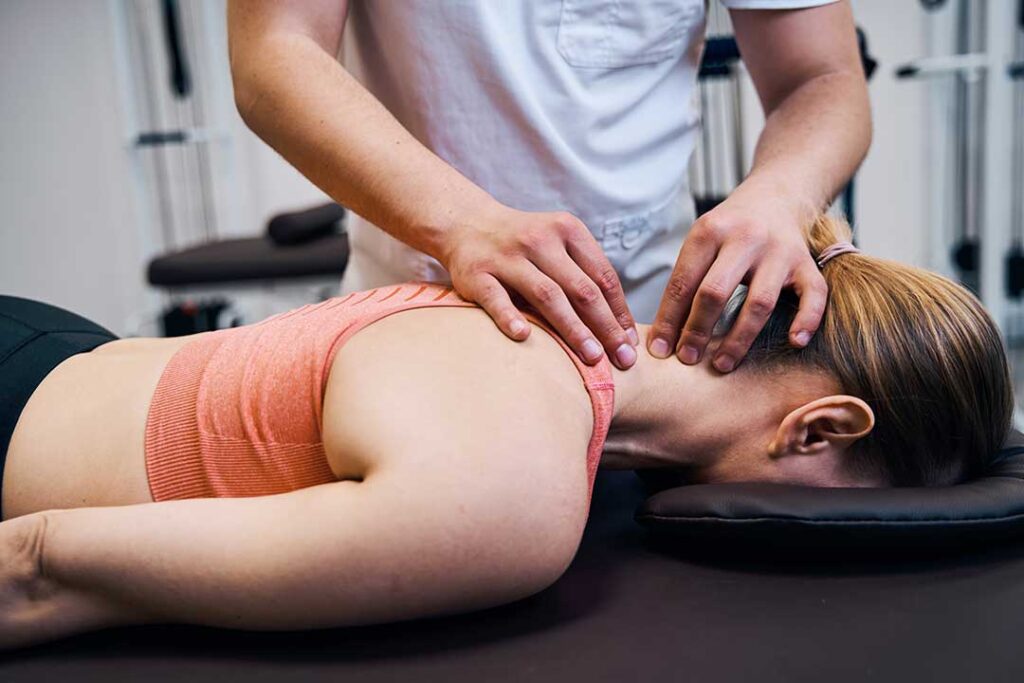
The Graston Technique is a specialized form of manual therapy that uses stainless steel instruments to help identify and treat soft tissue restrictions and scar tissue. Originally developed by athletes, this method has been integrated into many chiropractic practices to address musculoskeletal pain and movement issues. Unlike traditional massage, it uses specific tools to glide over the skin and "catch" on fibrous tissue, which may feel different due to injury, chronic tension, or past trauma.
Why Do Chiropractors in Islip, NY Use This Approach?
Chiropractors in Islip tend to encounter a range of muscle and tendon conditions, especially with residents who participate in recreational sports, spend hours commuting, or manage physically demanding yard work. The Graston Technique can be used for conditions such as:
- Tendonitis and overuse injuries (common in runners and gardeners)
- Plantar fasciitis (often seen in those on their feet for extended periods)
- Muscle adhesions from repetitive daily activities
- Post-surgical or traumatic scar tissue limiting movement
By integrating the Graston Technique, chiropractors aim to restore normal mobility, promote healing, and help community members return to comfortable activities throughout seasonal shifts—like snow shoveling in winter or yard cleanup in spring.
What Does a Graston Session Feel Like?
A session begins with an assessment. The practitioner runs metal instruments along muscles, tendons, or ligaments to detect areas of restriction or “gristly” tissue. Patients may feel:
- Mild discomfort or a scraping sensation in targeted areas
- Localized redness as circulation increases
- Possible mild bruising in sensitive spots
Sessions typically last several minutes for each region worked on. Afterward, stretching or gentle movement is encouraged. Most individuals report noticeable relief or better mobility within a few sessions, though responses vary based on the underlying condition and activity level.
How Does the Graston Technique Work Physiologically?
Graston tools allow deeper reach into tissue than hands alone, helping to break down scar tissue and adhesions that can limit movement. The process is believed to:
- Stimulate the body’s healing response
- Increase local blood flow and nutrients to injured areas
- Reduce chronic muscle tension and contribute to better tissue alignment
In a temperate climate with seasonal changes like in Islip, stiff muscles and joints can limit outdoor enjoyment or routine tasks. By addressing tissue restrictions, residents may improve flexibility and function throughout the year.
Is Graston Only for Athletes?
Graston is widely used by athletes for injury recovery, but the method is not exclusive to sports injuries. In daily life around the area, people might seek this care for problems such as:
- Chronic neck and shoulder pain from office work or studying
- Stiffness after gardening, landscaping, or snow removal
- Post-injury or surgical rehabilitation (with doctor guidance)
Even those with no history of sports can benefit, especially in a community with active retirees, school-age children, or adults balancing family care and local commutes.
Are There Risks or Side Effects?
Most patients find Graston Technique safe when used by a qualified provider. However, some discomfort and temporary bruising may occur. Potential side effects can also include:
- Minor swelling or mild soreness in treated areas
- Sensitivity in patients with thin skin or certain medical conditions
- Rarely, excess bruising in people who bruise easily
People with specific health conditions—such as clotting disorders, open wounds, unhealed fractures, or current infections—should discuss any therapy changes with their healthcare practitioner.
How Do Residents Know If They’re a Good Candidate?
The best candidates usually have chronic or nagging soft tissue complaints not improving with rest, exercise, or self-care. Residents may also consider this technique if they:
- Frequently feel restricted movement despite stretching
- Notice recurring muscle knots after weekly chores
- Experience lingering pain from repetitive motions at home or work
It’s worth noting that Graston is typically part of a broader treatment plan, which may include exercise, ergonomic education, or other manual therapies suited for the local climate and daily demands.
What Are Common Misconceptions About the Graston Technique?
Some misconceptions noticed among area households include:
- Believing the technique is only for athletes or very active people
- Expecting immediate, total relief after just one session
- Worrying that all scraping methods cause significant pain or bruising
In truth, most community members undergoing care feel only mild discomfort that quickly settles, and most activities can be resumed the same day. The approach can be effective for varied ages and lifestyles, not just high-performance individuals.
Practical Considerations for Islip Residents
Seasonal weather shifts can lead to changes in activity patterns around the city—such as increased home repairs in spring or snow removal in winter. These fluctuations can create new musculoskeletal complaints or flare-ups of old issues. The Graston Technique is adaptable for these common, everyday tissue challenges.
Those interested in learning more about how treatment may integrate with daily routines, preventative strategies (like appropriate warm-ups), and local physical health resources can benefit by exploring reputable community workshops, educational seminars, or library resources focused on musculoskeletal health.
