
A healthy spine supports far more than posture. It helps the body move, balance, absorb physical stress, protect nerves, and complete ordinary activities such as walking, working, sleeping, lifting, and caring for family members. When spinal pain or stiffness interferes with those functions, quality of life can decline even if the underlying condition is not dangerous.
For residents of Islip, spinal health can affect routines shaped by commuting, desk work, household maintenance, seasonal outdoor activity, and long periods of sitting. Understanding how the spine influences daily function can make it easier to recognize problems early and choose sensible next steps.
How does spinal health affect quality of life?
Spinal health affects quality of life through movement, comfort, sleep, energy, mood, and independence. A person with back or neck pain may gradually avoid activities, change how they work, or limit social and recreational plans.
The spine is part of a connected movement system. Muscles, joints, discs, ligaments, and nerves work together to support the body. A problem in one region may lead to compensations elsewhere. For example, discomfort in the lower back can change walking mechanics, while neck stiffness may make driving, reading, or computer work more difficult.
Quality-of-life effects may include:
- Difficulty standing, bending, climbing stairs, or getting in and out of a chair
- Interrupted sleep or trouble finding a comfortable position
- Reduced ability to exercise or participate in hobbies
- Lower concentration during work or school tasks
- Irritability, stress, or concern about making pain worse
- Greater dependence on others for household or personal activities
Back pain is common, but “common” does not mean it should be ignored when it persists or progressively limits normal life. National survey data have found that a substantial share of adults experience back pain over a three-month period. ([cdc.gov](https://www.cdc.gov/nchs/products/databriefs/db415.htm?utm_source=openai))
Can spinal problems affect sleep and mood?
Yes. Pain can make it harder to fall asleep, stay asleep, or turn in bed. Poor sleep may then increase sensitivity to pain and reduce the energy needed for normal movement.
The relationship also works in the other direction. Ongoing stress, anxiety, depression, and inadequate sleep can make back pain more frequent or more severe. The National Institute of Arthritis and Musculoskeletal and Skin Diseases identifies sleep and emotional health as factors that may influence long-lasting back pain. ([niams.nih.gov](https://www.niams.nih.gov/health-topics/back-pain?utm_source=openai))
This does not mean pain is “just psychological.” It means physical discomfort, nervous-system sensitivity, sleep, and emotional strain can interact. Addressing only one factor may not fully restore function.
Practical adjustments may include maintaining a consistent sleep schedule, changing positions regularly during the day, using a supportive sleep setup, and avoiding the belief that complete bed rest is the best response to ordinary back pain.
Does posture cause spinal pain?
Posture can contribute to discomfort, but there is rarely one perfect posture or one single cause. Sitting for long periods, working with the head forward, repeated bending, or using an uncomfortable chair may place sustained demands on the muscles and joints.
The more useful goal is usually posture variety rather than rigid correction. Even a good position can become uncomfortable if held for hours without movement.
For desk or home-office tasks:
- Keep frequently used items within easy reach.
- Adjust the screen so the head does not remain tipped downward.
- Let the shoulders relax instead of holding them elevated.
- Support the feet when possible.
- Change position or stand briefly at regular intervals.
- Avoid working from a couch or bed for long periods if it causes slouching.
These steps are especially relevant in households where work, school, and personal activities share the same space.
Why is movement important for the spine?
Regular movement helps maintain strength, joint mobility, coordination, and confidence. Avoiding all activity may lead to deconditioning, making ordinary tasks feel harder and increasing fear of movement.
Walking, gentle mobility exercises, water-based activity, and appropriately scaled strengthening can support general function. The right activity depends on a person’s symptoms, age, medical history, balance, and fitness level.
The Centers for Disease Control and Prevention reports that physical activity can improve sleep, mood, function, and quality of life, while also supporting bone and muscle health. Adults who sit less and engage in any amount of moderate-to-vigorous activity can gain health benefits. ([cdc.gov](https://www.cdc.gov/physical-activity-basics/health-benefits/adults.html?utm_source=openai))
Movement should be adjusted rather than forced. A temporary reduction in intensity may be reasonable during a flare-up, but prolonged inactivity can make recovery more difficult. Sharp, escalating, or radiating symptoms deserve individualized medical guidance.
What everyday habits can protect spinal function?
Spinal health is influenced by repeated daily habits more than by one isolated movement. Common contributors include lifting without preparation, sudden increases in yardwork or exercise, prolonged sitting, inadequate recovery, and weak or poorly conditioned supporting muscles.
Helpful habits include:
- Warm up before strenuous seasonal tasks.
- Break large chores into shorter intervals.
- Keep loads close to the body when lifting.
- Turn with the feet instead of twisting while carrying.
- Use a step stool rather than reaching overhead from an unstable surface.
- Increase exercise volume gradually.
- Alternate sitting, standing, and walking.
- Pay attention to recovery after unfamiliar activity.

In coastal communities, seasonal changes may also alter routines. Winter weather can reduce outdoor walking, while spring cleanup, gardening, recreational activity, or home projects may create a sudden increase in physical demand. Gradual conditioning is generally safer than moving from inactivity to a demanding weekend of work.
When is back or neck pain a reason for prompt evaluation?
Most episodes of uncomplicated back pain are not caused by a life-threatening condition, but certain symptoms should not be managed solely with home exercises or routine observation.
Prompt medical evaluation is appropriate for symptoms such as:
- New loss of bowel or bladder control
- Numbness in the groin or inner-thigh region
- Progressive weakness in an arm or leg
- Severe pain after a significant fall or collision
- Fever, unexplained weight loss, or a history of cancer
- Pain that is severe, worsening, or repeatedly wakes someone at night
- New back pain after minor trauma in a person with fragile bones or elevated fracture risk
Clinical guidelines emphasize evaluating neurological changes and warning signs associated with fracture, infection, cancer, or other serious conditions. ([pmc.ncbi.nlm.nih.gov](https://pmc.ncbi.nlm.nih.gov/articles/PMC6848394/?utm_source=openai))
These symptoms do not identify a specific diagnosis by themselves. They indicate that a broader medical assessment may be needed before selecting treatment.
What role can chiropractic care play?
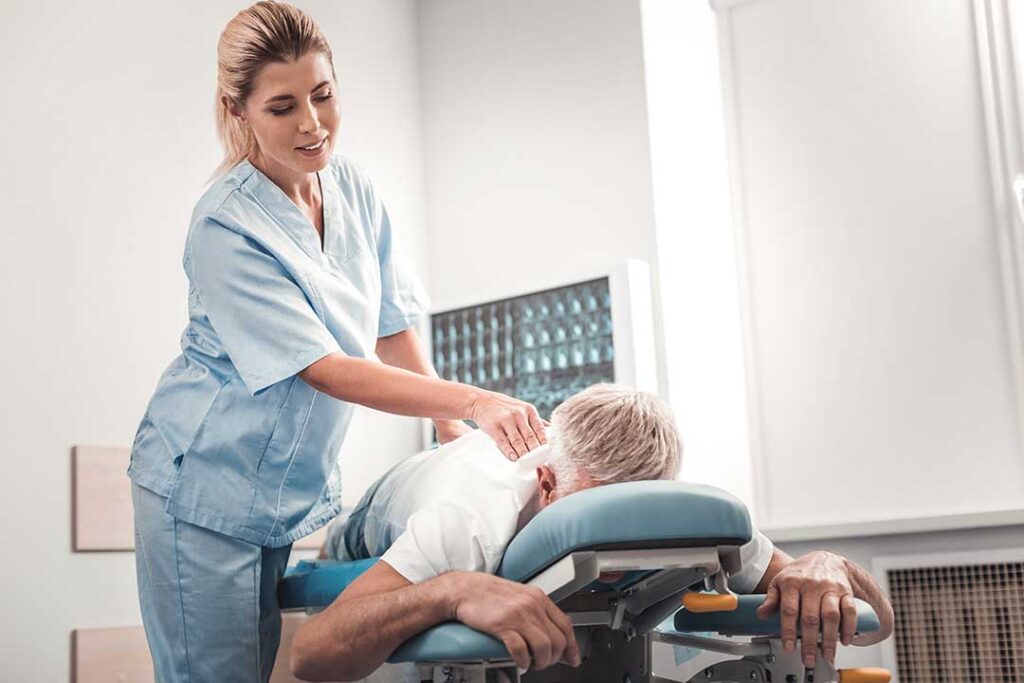
Chiropractic care may include examination, education, movement advice, manual techniques, and exercise-based strategies for selected musculoskeletal problems. Its usefulness depends on the individual diagnosis, symptoms, health history, and treatment goals.
A responsible approach should not assume that every spinal complaint is caused by the same problem or that one technique is appropriate for everyone. Care should be coordinated with other medical services when symptoms suggest nerve involvement, systemic illness, fracture, or another condition outside routine musculoskeletal care.
Spinal health is best understood as an ongoing part of overall health—not simply an issue of alignment. Preserving comfortable movement, strength, sleep, and participation in daily activities is often more meaningful than pursuing perfect posture or eliminating every sensation of discomfort.
