
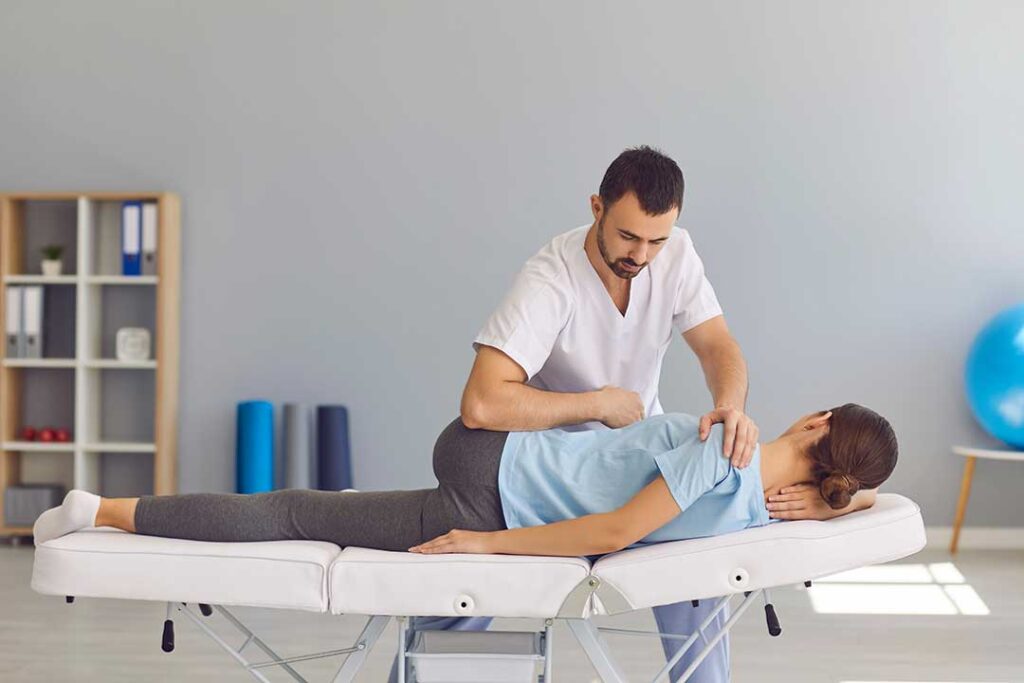
People in Islip, NY often compare chiropractic care and massage therapy when dealing with back pain, neck discomfort, muscle tension, or reduced mobility. Although both involve hands-on treatment, they are not interchangeable. The main difference is that chiropractic care generally focuses on joints, movement, and the relationship between the spine and the nervous system, while massage therapy primarily works with muscles and other soft tissues.
The right choice depends on the nature of the problem, the symptoms involved, medical history, and the goals of treatment.
What does chiropractic care typically involve?
Chiropractic care is a licensed health profession centered on the musculoskeletal system, particularly the spine. Treatment may include spinal manipulation, joint mobilization, stretching, exercise guidance, posture education, and other manual techniques. ([nccih.nih.gov](https://www.nccih.nih.gov/health/chiropractic-in-depth?utm_source=openai))
Spinal manipulation involves a controlled force applied to a joint. Mobilization uses slower or gentler movement within the joint’s normal range. A chiropractic visit may also include questions about symptoms, movement testing, and an assessment of how discomfort affects walking, lifting, sleeping, or daily activities.
Chiropractic treatment is commonly considered for:
- Mechanical low-back pain
- Neck pain related to movement or posture
- Stiffness in the back or joints
- Some headaches associated with the neck
- Limited range of motion
- Musculoskeletal discomfort after ordinary physical strain
Research summarized by the National Center for Complementary and Integrative Health suggests that spinal manipulation may produce modest improvements in pain and function for some adults with acute or chronic low-back pain. It may also help some people with neck pain. Results vary, and it is one option among several non-drug approaches. ([nccih.nih.gov](https://www.nccih.nih.gov/health/spinal-manipulation-what-you-need-to-know?utm_source=openai))
What does massage therapy typically involve?
Massage therapy uses pressure, kneading, gliding, stretching, or other techniques applied to muscles and soft tissues. The therapist may work on a particular region, such as the lower back, shoulders, hips, or legs, or address broader patterns of tension.
Massage is often chosen for:
- Tight or overworked muscles
- Temporary relief of muscle soreness
- Stress-related tension
- Reduced flexibility associated with soft-tissue tightness
- Recovery after routine physical activity
- Comfort during periods of prolonged sitting or repetitive work
Massage may be especially appealing to someone whose symptoms feel muscular—for example, aching after yard work, tight shoulders after computer use, or soreness from prolonged driving. Evidence for massage varies by condition. NCCIH reports that research on massage for low-back pain has generally been limited or mixed, although massage is included as an option for some cases of acute or subacute low-back pain. ([nccih.nih.gov](https://www.nccih.nih.gov/health/providers/digest/massage-therapy-for-health-science?utm_source=openai))
Is chiropractic treatment the same as getting a massage?
No. Massage focuses mainly on soft tissue, while chiropractic care may focus more directly on joints, spinal movement, and functional mechanics.
A massage therapist may spend most of a session working on muscle tension and relaxation. A chiropractor may evaluate how the spine or other joints move and may use manipulation, mobilization, exercise, or movement recommendations. Some chiropractic offices also provide soft-tissue techniques, so there can be overlap.
The treatment experience can also feel different. Massage is commonly continuous and rhythmic, while chiropractic treatment may involve brief manual techniques separated by evaluation, movement exercises, or education.
Neither approach automatically addresses every cause of pain. Muscle tension can occur because of an underlying joint problem, while joint stiffness can be influenced by surrounding muscle guarding. That is one reason a careful assessment matters more than choosing a treatment based only on the label.
Which option is better for back or neck pain?
There is no universal winner. The better match depends on what appears to be contributing to the symptoms.
Massage may be a reasonable consideration when discomfort is primarily associated with muscle tightness, physical overuse, stress, or temporary soreness. Chiropractic care may be considered when symptoms involve restricted spinal or joint movement, recurring mechanical pain, or difficulty with specific movements.
For many common musculoskeletal complaints, treatment works best as part of a broader plan that can include regular movement, strengthening, sleep support, ergonomic changes, and appropriate medical evaluation. Passive treatment alone may provide short-term comfort without addressing factors that contribute to repeated symptoms.
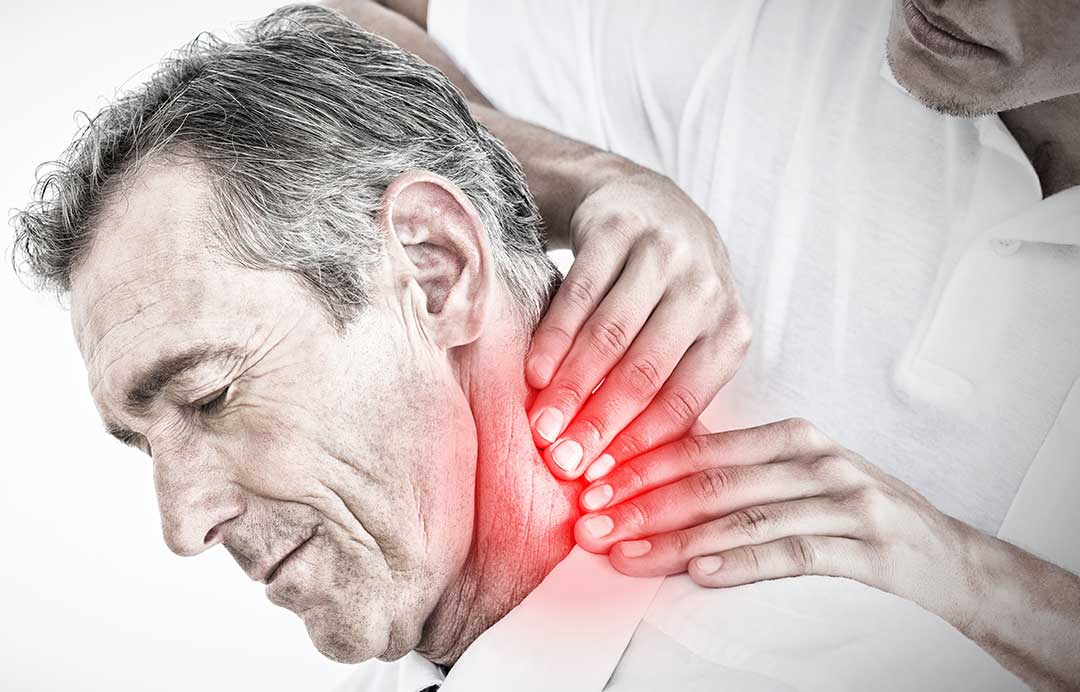
For example, a resident who develops shoulder tightness after spending winter indoors or working at a kitchen table may benefit from soft-tissue work, but lasting improvement may also require changes to workstation height, movement breaks, and strengthening. Similarly, someone with recurring low-back pain after shoveling, lifting, or household maintenance may need guidance on movement and gradual conditioning in addition to hands-on care.
Are there safety differences?
Both therapies are generally considered low risk for many adults when appropriately matched to the person’s condition, but neither is risk-free.
After spinal manipulation or mobilization, temporary soreness, stiffness, headache, or increased discomfort can occur and often resolves within a short period. Serious complications have been reported but are considered very rare. A thorough health history is important, especially for people with significant medical conditions, recent trauma, neurological symptoms, or conditions affecting bone strength. ([nccih.nih.gov](https://www.nccih.nih.gov/health/spinal-manipulation-what-you-need-to-know?utm_source=openai))
Massage can also cause temporary soreness or bruising, particularly when firm pressure is used. Extra caution may be needed with blood-clotting disorders, certain skin conditions, recent surgery, fractures, uncontrolled medical problems, or medications that increase bleeding risk.
Urgent medical evaluation is more appropriate than routine hands-on treatment when pain follows major trauma or occurs with symptoms such as progressive weakness, loss of bladder or bowel control, numbness in the groin area, unexplained fever, or unexplained weight loss. These signs can indicate a condition requiring prompt medical assessment.
Can chiropractic care and massage therapy be used together?
Sometimes. The approaches may complement each other when the goals are clearly defined and the treatments are appropriate for the person’s health status. For example, soft-tissue work may address muscle guarding while movement-based care focuses on joint mobility and function.
Using both does not necessarily mean receiving more benefit. Treatment should be guided by symptom response, functional improvement, and a reasonable explanation for why each therapy is being used. Repeated sessions without meaningful improvement deserve reassessment rather than automatic continuation.
Residents should also understand what a treatment is intended to accomplish. Relief of muscle tension is different from correcting a joint restriction, and neither therapy should be presented as a cure for unrelated medical diseases.
What questions should a person ask before treatment?
A few practical questions can make the decision clearer:
- What structure or type of problem is most likely causing the symptoms?
- What will the treatment involve?
- What benefits are realistic, and how soon should improvement be noticed?
- Are there reasons this treatment may be unsafe?
- What home movements, activity changes, or exercises may support recovery?
- What symptoms would require medical evaluation instead?
- What is the plan if symptoms do not improve?
A useful choice is not simply the therapy that feels strongest or most relaxing. It is the approach that fits the symptoms, respects safety concerns, and includes a way to measure whether daily function is improving.
